
25 01 2026

- By Admin
- 10 01 2026
Synthetic Cannabinoids (Spice): An Overview of the synthetic substance design
K2/Spice
WHAT IS K2?
synthetic drugs belong to the synthetic
cannabinoid category and are frequently
promoted and sold falsely
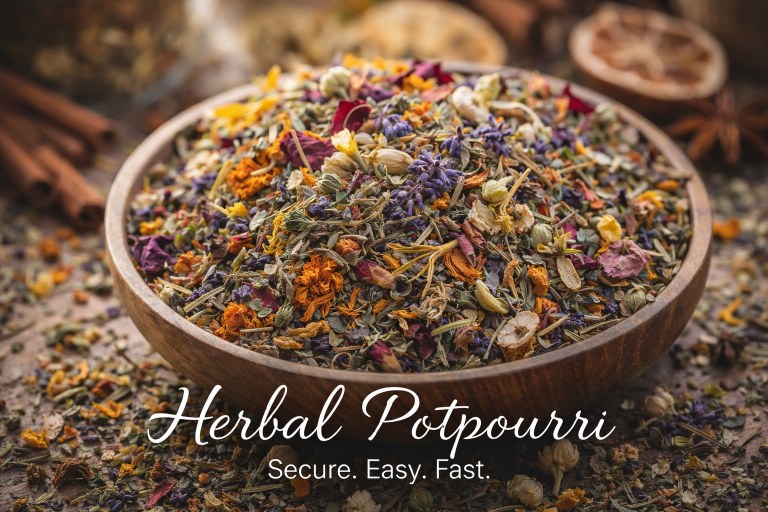
as “herbal incense” or “potpourri. cannabinoids are artificially
produced compounds created in labs. 2009, law enforcement agencies have discovered hundreds of distinct synthetic cannabinoids marketed as “legal” substitutes for marijuana. products for their mind-altering effects, and they are often packaged without any
details regarding their health and safety hazards.
K2 and Spice “not for human consumption” in a bid to protect the manufacturers,
distributors, and retailers from legal
consequences. of marketing serves merely to facilitate
the public's access to hazardous, psychoactive
substances.
smuggled into the U. S. as mislabeled imports and are
devoid of any legitimate medical or
industrial purpose.
street names for K2/Spice synthetic marijuana include:
• “Spice, K2, Blaze, RedX Dawn, Paradise, Demon, Black Magic,
Spike, Mr.
the dry plant material with the drug, they package it for sale, again without adhering
to standards for pharmaceutical-grade
chemical purity, as these substances have no authorized medical use, neglecting any regulations
on preventing contamination or guaranteeing a reliable, uniform strength of the potent and hazardous drug in each package. solution meant for use in e-cigarettes or other vaping devices.
the
cannabinoids soaked into plant materials sold as potpourri and incense, liquid cannabinoids have been specifically designed for vaporization using both single-use and reusable electronic cigarettes.
kidney
injury that necessitated hospital treatment and
dialysis in some patients who reportedly smoked synthetic cannabinoids.
have experienced severe hallucinations. include intense agitation, confused
thinking, paranoid beliefs, and aggression following the consumption of products infused with these substances.
adverse
effects encompass increased heart rate (tachycardia), high blood pressure, loss of
consciousness, tremors, seizures, vomiting,
hallucinations, agitation, anxiety, pallor, numbness, and tingling sensations. public
health and poison control centers have likewise issued similar warnings regarding the misuse of these synthetic cannabinoids.
,
43 specific substances are classified as Schedule I under the Controlled Substances Act through either legislation or regulatory measures. many
other synthetic cannabinoids qualify as "cannabimimetic agents" under the Controlled Substances Act, thus classifying them also as Schedule
I substances.
Numerous synthetic
cannabinoid compounds are marketed as "incense,"
"potpourri," and various other products that do not fall under controlled substances. , these
substances might be prosecutable under the Controlled Substance Analogue Enforcement Act, which allows for non-controlled drugs to be
treated like Schedule I controlled
substances if specified conditions are fulfilled.
Latest Post
-
 damiana tea
 -
 Herbal potpourri
25 01 2026
-
 synthetic drug test urine
25 01 2026
-
 k2 paper extra potent odorless and no stains
24 01 2026
-
